

The New Zealand rugby community is mourning the death of Shane Christie, a former Highlanders and Māori All Blacks player who became one of the country’s most outspoken voices on concussion and brain health in sport. Christie was found dead at his Nelson home early Wednesday morning. He was 39.
Police confirmed they had been called to the property, adding the case would be referred to the coroner. While the exact circumstances of his death remain unconfirmed, the New Zealand Herald reported that friends believe Christie may have taken his own life.
A Career on the Rise, Cut Short by Concussion
Christie was a highly respected flanker who captained the Highlanders in Super Rugby and represented the Māori All Blacks internationally. His playing career, however, was shortened after repeated concussions left him with lasting health challenges. Since retiring, Christie often spoke about headaches, memory lapses, and the difficulty of living with suspected Chronic Traumatic Encephalopathy (CTE), a degenerative brain disease linked to repeated head injuries.
Although CTE can only be diagnosed after death, Christie expressed his intention to donate his brain for research, hoping his experience might help protect future generations of players. “Without brain donations we’re not going to be able to identify how long it takes to get this disease. It’s important to help the research in New Zealand,” he said in a recent interview.
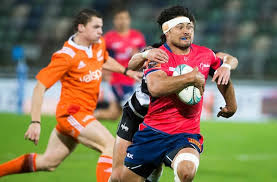 Following the Legacy of Billy Guyton
Christie’s advocacy was deeply shaped by the loss of his close friend and former teammate, Billy Guyton, who died by suicide in 2023 and later became the first New Zealand rugby player confirmed to have CTE. Following Guyton’s passing, Christie helped establish the Billy Guyton Foundation, which supports greater understanding of the long-term effects of concussion.
Speaking at a Foundation event last year, Christie credited Guyton with inspiring him to speak out. “Bill motivated me to have the courage to speak my mind about what I see,” he told attendees.
Why This Loss Resonates
The tragedy of Christie’s death underscores the growing concern around brain injuries in contact sports. In the United States, the NFL formally acknowledged links between football and CTE in 2016, following years of high-profile cases. While research into rugby-specific impacts is still emerging, players like Christie have drawn attention to the urgent need for study in New Zealand.
Sports medicine experts note that repeated concussions can lead not only to cognitive decline but also to mood disorders, depression, and an elevated risk of self-harm—an issue that has begun to reshape safety protocols at all levels of rugby.
Dr. Karen Smith, a Wellington-based neurologist not directly connected to Christie, told local media last year that the “long-term risks of repeated head impacts are real, and greater awareness is essential for both players and coaches.”
A Community in Mourning
In a statement, New Zealand Rugby paid tribute to Christie’s contribution both on and off the field. “Any time the rugby community loses a member it is felt deeply. Shane’s passion for the game will be remembered always. Our thoughts are with Shane’s whānau, friends, former teammates, and community at this incredibly difficult time,” the organization said.
Beyond rugby, Christie was known for his generosity of spirit and dedication to mentoring young players in Nelson through coaching roles. Friends say his legacy will not only be measured by what he accomplished on the pitch, but also by his courage in confronting one of the game’s most pressing challenges.
As his family, teammates, and community grieve, Christie’s story continues to highlight the complex intersection of sport, health, and mental well-being—reminding rugby and its fans that the push for greater player safety is not just about the game, but about lives.