
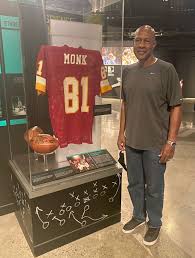
A false report claiming that former Washington Commanders legend Art Monk had died circulated on Facebook on Wednesday, prompting his family to issue an immediate statement dismissing the rumour as “completely untrue.”
The post, shared widely within minutes, mirrors a growing trend of celebrity death hoaxes—misinformation that can quickly unsettle fans and communities. Monk, 68, remains a revered figure in Washington sports culture, known for his professionalism, humility, and record-setting career that helped shape the franchise’s golden era.
Local fan groups reacted with a mix of relief and frustration. “It’s scary how fast fake news spreads,” said Darius Holmes, a longtime supporter who follows several National Football League fan forums. “People didn’t even stop to verify—it was everywhere within half an hour.”
Digital-safety advocates note that false death announcements often target high-profile athletes due to their large fan bases and emotional resonance. Misinformation researchers at the Pew Research Center have previously warned that such hoaxes exploit algorithms designed to reward rapid engagement.
Monk’s family encouraged the public to rely on verified team channels or reputable news outlets before sharing sensitive claims. Their quick response helped halt the rumour, but the incident underscores the continued need for digital literacy in an age where unverified posts can spark widespread confusion within minutes.