
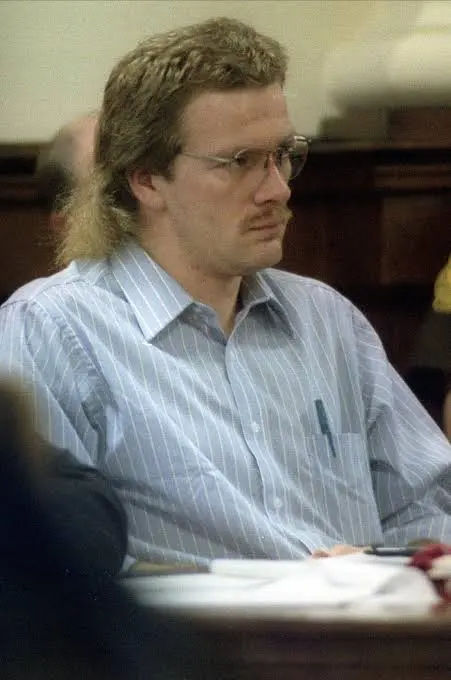
As 2026 approaches, renewed public attention is focusing on the long-running case of James Robert Scott, the Missouri inmate convicted of causing widespread flooding during the historic Great Flood of 1993.
Scott, born November 20, 1969, was found guilty in 1994 of intentionally tampering with a Mississippi River levee near West Quincy, Missouri. Prosecutors said the act triggered severe flooding that destroyed infrastructure, including bridges, and caused significant regional damage at the height of the disaster. He was convicted of felony criminal damage and sentenced to life in prison rather than facing the death penalty.
The case drew national scrutiny at the time, both because of the scale of the flooding and Scott’s documented history of criminal behavior dating back to childhood. Supporters and critics have long debated the severity of the sentence and the circumstances surrounding the conviction.
As of 2026, Scott remains incarcerated at the Jefferson City Correctional Center and is becoming eligible for parole under Missouri law. Online community discussions show mixed sentiment: some commenters emphasize the lasting economic and environmental harm caused by the flood, while others focus on questions of proportional sentencing after more than three decades behind bars.
The case remains a notable chapter in Missouri’s legal history, highlighting the long-term consequences of disaster-related crimes and the complex public reactions that can follow.