
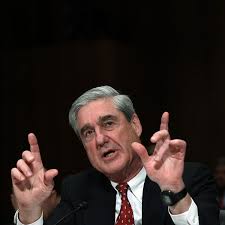
Robert S. Mueller III, the former director of the Federal Bureau of Investigation who later led the high-stakes investigation into Russian interference in the 2016 U.S. election, has died at the age of 81. His family confirmed his passing on Friday, noting he had been diagnosed with Parkinson’s disease in 2021.
Mueller’s career spanned some of the most defining moments in modern American history. Appointed FBI director just days before the September 11 attacks, he oversaw a sweeping transformation of the bureau into a more intelligence-driven agency focused on counterterrorism and national security.
He later returned to public service as special counsel, investigating ties between Donald Trump’s 2016 campaign and Russian operatives. His report ultimately concluded that it could neither fully exonerate nor accuse the president of criminal wrongdoing—an outcome that fueled years of political debate.
Reactions to Mueller’s death have reflected the deep divisions surrounding his work. Supporters credit him with upholding institutional integrity under pressure, while critics, including Trump, remained sharply critical.
Legal analysts say Mueller’s legacy lies in his commitment to process over politics. “He represented a traditional model of public service—methodical, restrained, and grounded in the rule of law,” one expert noted.
As tributes and criticism continue, Mueller’s impact on American law enforcement and political accountability remains undeniable.