
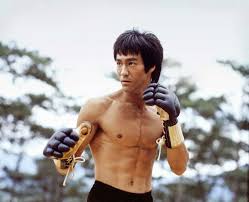
More than five decades after his passing, the death of Bruce Lee continues to draw global attention, reflecting both his cultural impact and the lingering questions surrounding his final hours.
Lee died on July 20, 1973, in Kowloon at the age of 32. The official cause was ruled as “death by misadventure,” attributed to cerebral edema—swelling of the brain. Reports indicate he had complained of a headache before taking a prescribed painkiller and resting. He was later found unresponsive and pronounced dead at a local hospital.
At the time, medical experts suggested a hypersensitivity reaction to the medication as the likely trigger. However, Lee’s sudden death at the peak of his career fueled widespread speculation. In recent years, alternative theories have emerged, including a 2022 study proposing hyponatremia—an inability to properly process excess water—and earlier suggestions of heatstroke linked to intense physical exertion.
Lee had previously suffered a similar episode just months earlier while working on Enter the Dragon, raising further medical questions among researchers.
Despite ongoing debate, historians and medical professionals largely agree that cerebral edema remains the most credible explanation. His death, followed by the posthumous release of Enter the Dragon, cemented his legacy as a global icon.
Today, Lee is remembered not only for his groundbreaking martial arts philosophy but also for the enduring mystery that continues to surround his untimely passing.