
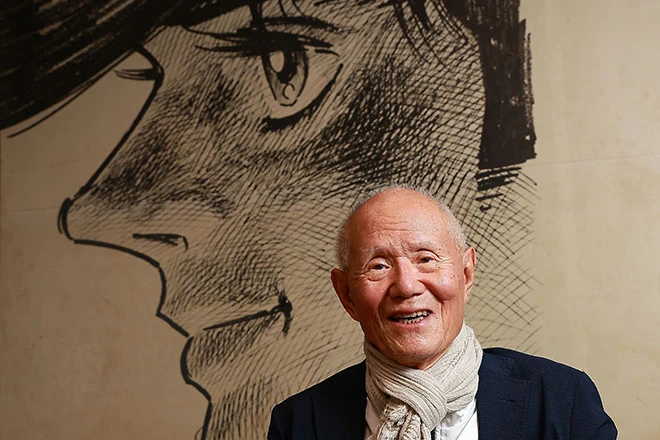
Japanese manga artist Tetsuya Chiba, celebrated for creating some of the country’s most influential comics, has died at the age of 87. His family confirmed that he died on October 22, 2026, at a hospital in Tokyo. News of his death was reported publicly on October 27.
Chiba’s death marks the end of a career spanning approximately seven decades, during which he helped shape postwar Japanese manga and inspired generations of readers through stories centred on ambition, perseverance and human resilience.
Family Confirms His Death
According to a statement released by his wife, Sachiko, Chiba died at 6 p.m. on October 22. She expressed gratitude to the people who supported his career and to the readers who continued to embrace his work throughout his life.
The family held a private funeral and asked the public to respect its privacy, declining condolence visits, flowers, gifts and messages. His publisher has also asked people to refrain from contacting relatives directly.
The family has not publicly identified a cause of death in the reports reviewed. No specific illness should therefore be presented as the reason for his passing without further confirmation.
A Career That Helped Define Japanese Manga
Born in Tokyo on January 11, 1939, Chiba made his professional debut in 1956. He went on to create an extensive body of work across several genres, establishing himself as one of Japan’s most respected manga artists.
His best-known works included Tomorrow’s Joe, a boxing drama created with writer Asao Takamori, and Ore wa Teppei, a story centred on a spirited young baseball player. Tomorrow’s Joe became particularly influential, attracting devoted readers with its portrayal of a young boxer fighting to establish himself against difficult odds.
Chiba’s work was recognised through numerous honours. In 2024, he received Japan’s Order of Culture, one of the country’s major distinctions for contributions to cultural development. He also served in leadership roles within the Japanese cartooning community and contributed to the education of younger artists. />
His Legacy Lives On
Chiba remained creatively active well into later life. His autobiographical essay manga, Hinemosu Notari Nikki, reflected on his experiences, memories and life as an artist. Reports said he continued working on the series into 2026.
His influence extended beyond individual titles. Through characters who struggled, failed and tried again, Chiba helped make manga a powerful medium for exploring everyday hardship and human determination.
As tributes emerge from publishers and readers, his legacy rests not only in the popularity of his most famous stories but also in his enduring contribution to Japanese visual storytelling.
Tetsuya Chiba is survived by a body of work that continues to connect readers across generations. His death closes a remarkable chapter in manga history, while the characters and stories he created remain part of the cultural landscape he helped shape.