
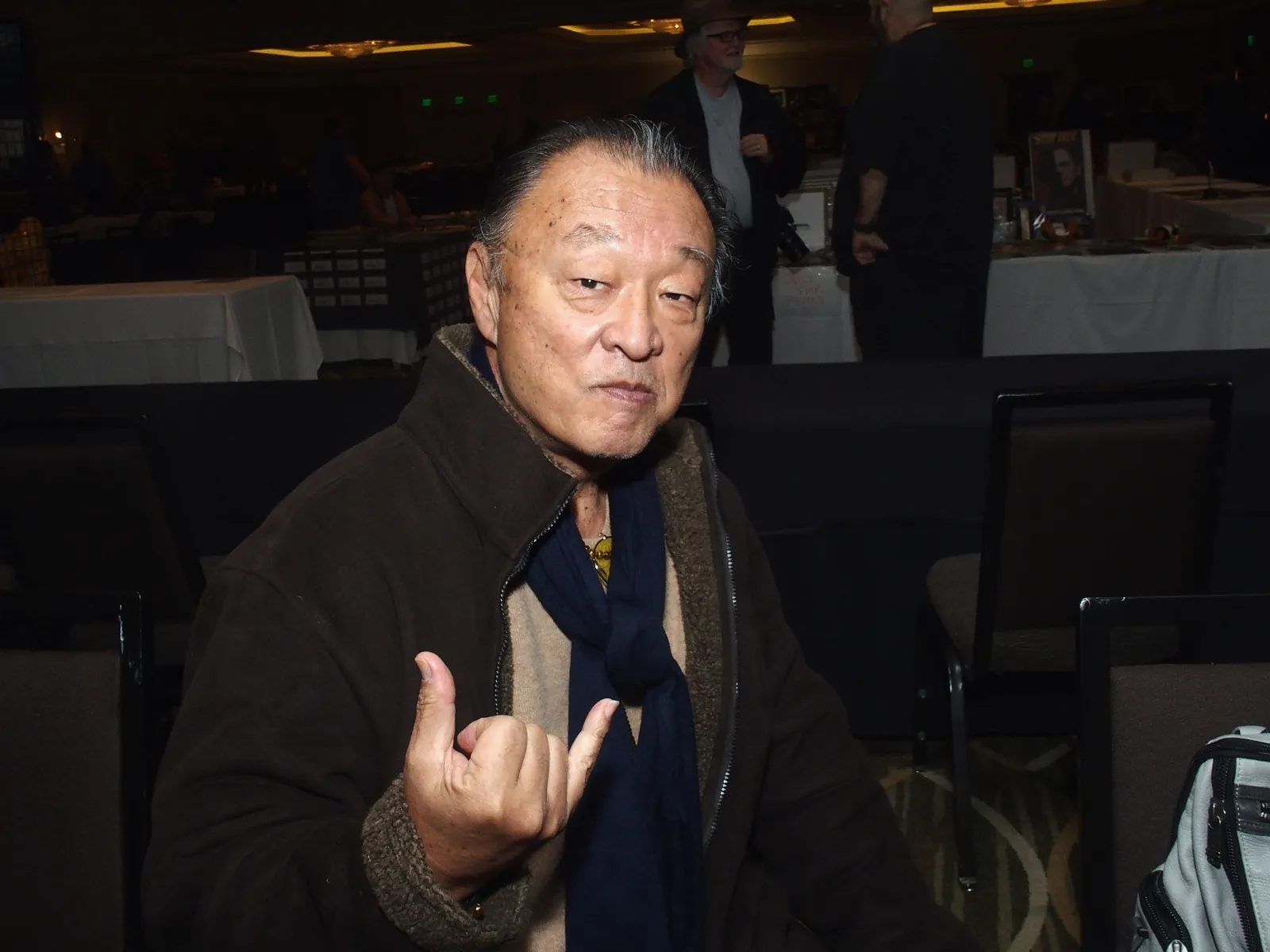
Santa Barbara, California – Veteran actor Cary-Hiroyuki Tagawa — whose commanding presence made him one of Hollywood’s most recognizable Asian performers — has died at age 75 in Santa Barbara, California. His passing, confirmed by longtime manager Margie Weiner, followed complications from a recent stroke.
“We were more than colleagues — he became like family,” Weiner wrote in a message shared across outlets including Rolling Stone. “Cary was a rare soul: generous, thoughtful, and endlessly committed to his craft. His loss is immeasurable.”
Tagawa’s death comes as the U.S. continues to confront the growing impact of strokes, which affect more than 795,000 Americans each year, according to the CDC. While Weiner did not specify which complications he suffered, medical experts note that post-stroke risks often include brain swelling, seizures, and cardiac issues.
A Later Start That Led to an Extraordinary Career
Born in Tokyo to a Hawaii-born father and a Japanese stage actress, Tagawa was named after Hollywood icon Cary Grant — a hint of destiny that wouldn’t fully manifest until later in life. Before acting, he worked an array of jobs: celery farmer, limousine driver, and photojournalist, among others.
His first film role came in John Carpenter’s Big Trouble in Little China (1986), but his breakout arrived a year later with Bernardo Bertolucci’s Oscar-winning epic The Last Emperor. The performance positioned Tagawa as a compelling on-screen presence capable of authority, depth, and quiet intensity.
For many fans, he will forever be remembered as Shang Tsung, the soul-stealing sorcerer in the 1995 hit Mortal Kombat — a role he reprised in later adaptations and one that cemented his status in pop culture. His performances in Memoirs of a Geisha and the Amazon series The Man in the High Castle continued to showcase his range.
A Legacy That Reflected Hollywood’s Shifting Landscape
Tagawa’s career spanned a period of significant change for Asian performers in Hollywood. He often spoke about typecasting but also about the expanding opportunities that slowly emerged. His work helped pave the way for more visible and multidimensional roles for Asian men on screen.
Film historian and diversity advocate Mei-Ling Carter said in a representative comment, “Tagawa’s presence challenged stereotypes at a time when Asian actors had limited visibility. His characters were often powerful and complex — and audiences remembered them.”
A Complicated Personal Journey
Tagawa’s life included both celebrated milestones and difficult chapters. In 2008, he pleaded guilty to a misdemeanor harassment charge in Honolulu and received probation. Later, in a deeply personal turn, he converted to Eastern Orthodoxy in 2015 and became a Russian citizen in 2016.
A Year of Heavy Losses in Cinema
His passing adds to a difficult year for the film industry, which has already mourned notable figures such as director David Lynch, and actors Gene Hackman, Val Kilmer, Robert Redford, and Diane Keaton.
As tributes continue pouring in from colleagues and fans worldwide, Tagawa’s legacy — spanning decades, continents, and genres — remains firmly etched into Hollywood history. His roles, his voice, and his unmistakable presence leave behind a body of work that continues to resonate across generations.