
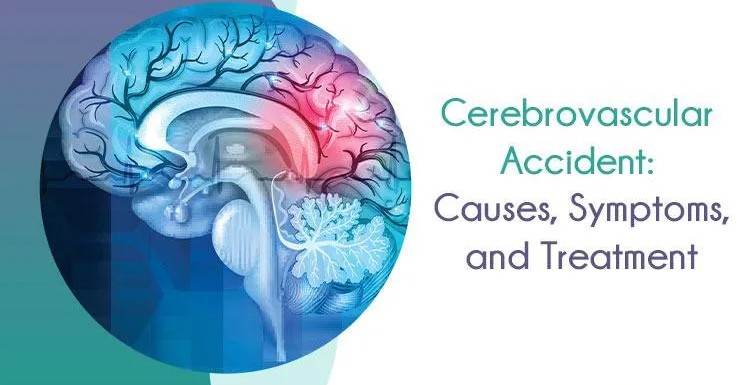
A cerebrovascular accident (CVA), commonly called a stroke, occurs when blood flow to part of the brain is blocked or a blood vessel ruptures. Brain cells can begin dying within minutes when they are deprived of oxygen, making stroke a medical emergency.
Types of Stroke
Ischemic stroke is the most common type. It occurs when a blood clot or plaque blocks an artery supplying the brain. Atherosclerosis, which involves plaque buildup inside arteries, can contribute to this blockage. Hemorrhagic stroke occurs when a blood vessel ruptures and causes bleeding in or around the brain.
A transient ischemic attack (TIA) causes temporary interruption of blood flow to the brain. Although symptoms may disappear, a TIA requires urgent medical attention because it can signal a higher risk of stroke.
Warning Signs
Remember F.A.S.T.: Face drooping, Arm weakness, Speech difficulty and Time to seek emergency help. Other symptoms can include sudden vision problems, dizziness, loss of balance, confusion or a severe headache.
Treatment and Prevention
Treatment depends on the type and cause of stroke. Ischemic stroke may require clot-dissolving medication or procedures to remove the clot. Hemorrhagic stroke treatment focuses on controlling bleeding and pressure in the brain. Rehabilitation may include physical, occupational and speech therapy.
Managing blood pressure, diabetes and cholesterol, staying physically active, avoiding tobacco and maintaining a healthy diet can help reduce stroke risk.