
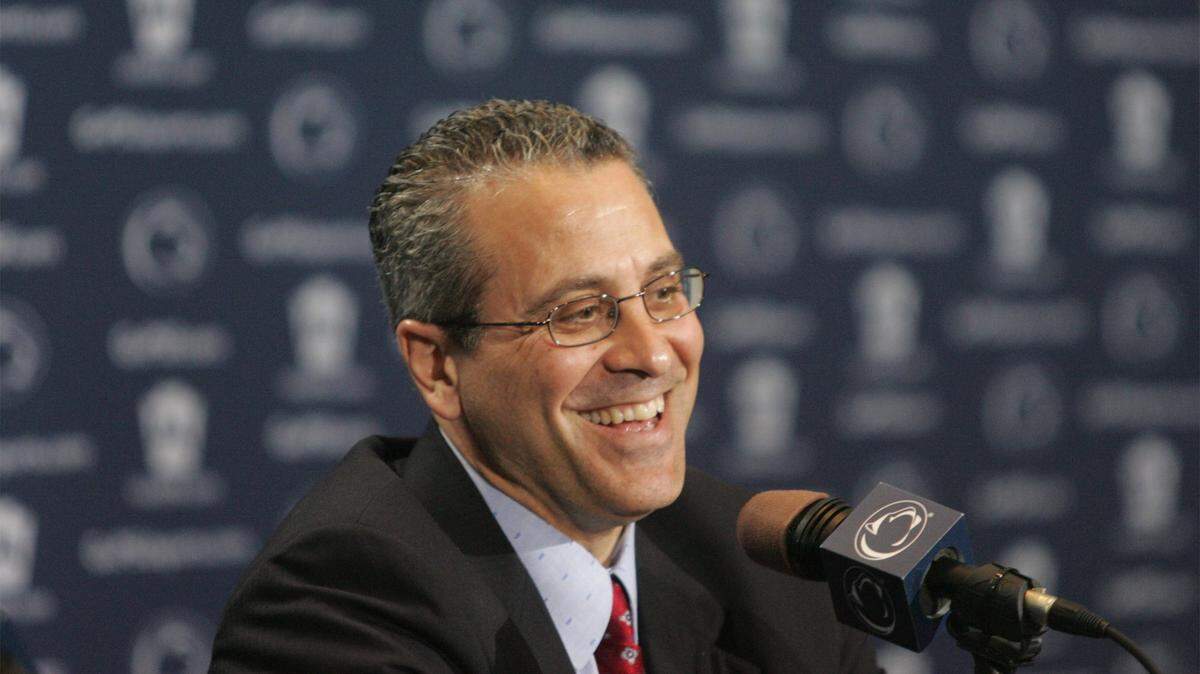
Dr. Wayne Sebastianelli, a towering figure in collegiate sports medicine and a trusted presence within Penn State University athletics for more than three decades, has died at the age of 68. His passing on May 4 has prompted an outpouring of tributes from athletes, coaches, and colleagues who describe him not only as a skilled physician but as a compassionate mentor whose influence extended far beyond the field.
Sebastianelli’s legacy is deeply woven into the fabric of Penn State’s athletic history, where he served as director of athletic medicine for many years and later returned to support the football program’s medical staff. For generations of student-athletes, he was a constant presence—calm in crisis, steady in recovery, and deeply invested in their lives.
🕊️ A Career Defined by Care and Commitment
Over a career spanning more than 30 years, Sebastianelli treated hundreds of athletes, earning a reputation as one of the most respected figures in college sports medicine. He worked under multiple head coaches, including Joe Paterno, Bill O’Brien, James Franklin, and Matt Campbell—a rare continuity that underscores his enduring value to the program.
Beyond the sidelines, Sebastianelli held key leadership roles in healthcare. He served as associate chief medical officer for Penn State Health’s Centre County region and was a professor of orthopaedic surgery at the Penn State College of Medicine. He also spent 16 years as chief of staff at Mount Nittany Medical Center, further cementing his influence in both sports and community medicine.
🏈 The Moment That Defined a Legacy
While Sebastianelli’s career included countless contributions, he is perhaps best known for his role in treating former Penn State football player Adam Taliaferro, who suffered a life-altering spinal injury during a 2000 game against Ohio State Buckeyes football.
Taliaferro, who was temporarily paralyzed during the game, credited Sebastianelli with providing not just medical care but hope during the darkest moment of his life.
“My heart is truly broken today,” Taliaferro said in a statement. “He was so much more than our doctor; he was family. For me personally, his eyes were the first I looked into when I was paralyzed on the field. In that moment he gave me and my family something we desperately needed: hope.”
Taliaferro would go on to make a remarkable recovery, later becoming an attorney and advocate. He has consistently pointed to Sebastianelli’s care and encouragement as pivotal in that journey.
💬 Tributes from a Grateful Community
The reaction to Sebastianelli’s passing has underscored the breadth of his impact. Pat Kraft described him as someone who “embodied the very best of Penn State,” emphasizing his unwavering commitment to athlete health and well-being.
“He cared deeply for our student-athletes as individuals, always prioritizing their health, safety, and well-being above all else,” Kraft said. “Through his compassion, expertise, and steadfast dedication, he shaped generations of Nittany Lions.”
Former assistant coach Jay Paterno highlighted Sebastianelli’s close relationship with his family, noting that he performed multiple surgeries on his father, Joe Paterno, reflecting the trust placed in him at the highest levels of the program.
Even those who knew him briefly felt his influence. Coach Matt Campbell remarked that Sebastianelli’s presence was integral to the “brotherhood” of Penn State football, adding that his contributions set a standard that will endure.
🌍 Why His Story Matters
Sebastianelli’s life reflects a broader truth about the evolving role of sports medicine in modern athletics. At a time when player safety, concussion protocols, and long-term health outcomes are under increasing scrutiny, physicians like Sebastianelli have been central to shaping more athlete-centered approaches.
Experts in sports health note that trusted team doctors often serve dual roles—as clinicians and confidants. Their ability to balance competitive demands with medical ethics can have lasting consequences for athletes’ lives.
In this context, Sebastianelli stood out not only for his technical expertise but also for his humanity. Taliaferro recalled how, during hospital visits, Sebastianelli would offer simple but powerful gestures of care—kissing his forehead and saying, “I love you.”
Such moments, while deeply personal, illustrate the emotional intelligence that defined his approach to medicine.
👨👩👧 Family and Personal Life
Outside of his professional achievements, Sebastianelli was a family man. He is survived by his wife, Michele, and their children, Alyssa and Geoff.
Colleagues say he balanced a demanding career with a deep commitment to his family, often speaking about them with pride.
🕯️ Legacy and Final Reflections
Dr. Wayne Sebastianelli’s passing marks the end of an era for Penn State athletics, but his legacy continues through the countless lives he touched. From the locker room to the operating room, he set a standard of care rooted in compassion, integrity, and excellence.
For many, his influence cannot be measured solely in wins or recoveries, but in the relationships he built and the trust he earned.
As Taliaferro poignantly expressed:
“Doc didn’t just care for us in the game, he walked with us through life.”
In the days ahead, the Penn State community will mourn not just a physician, but a mentor, a friend, and a symbol of what it means to truly care for others.
We extend our deepest condolences to his family, colleagues, former players, and all who were fortunate enough to know him.