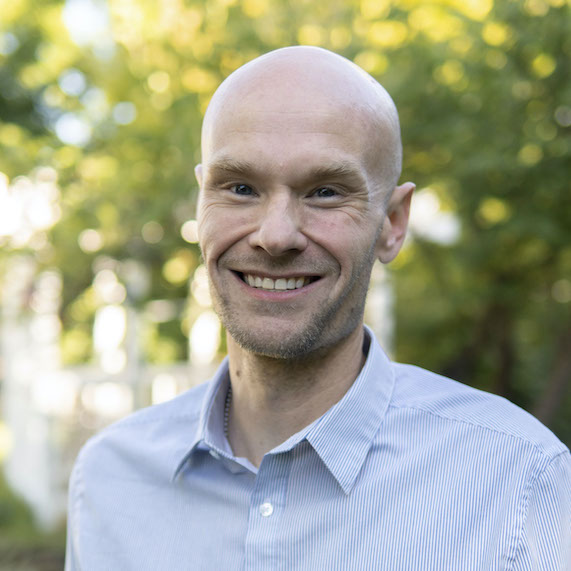
Utah, US – The social work community in Utah and beyond is mourning the death of Brian A. Droubay, an assistant professor whose scholarship and clinical expertise helped shape emerging research on sexuality, spirituality, and mental health. Colleagues, students, and professionals across the field have expressed grief and admiration as they reflect on his influence and legacy.
Dr. Droubay served as faculty at the Utah State University, where he was known for his person-in-environment approach—a framework that emphasizes the interplay between culture, community, and individual well-being. Before joining USU, he taught at the University of Mississippi from 2019 to 2021. He earned his graduate degrees from the University of Utah, where his interest in culturally informed clinical practice began to take shape.
Scholar, Educator, and Clinical Practitioner
Nationally recognized for his work on compulsive sexuality, Dr. Droubay studied how religious context, moral emotions, and cultural values influence personal distress related to sexual behavior. His recent work examined problematic pornography use in faith-based communities and evaluated how evolving diagnostic criteria—such as the World Health Organization’s compulsive sexual behaviour disorder—may affect sexual minority populations.
A colleague from USU, speaking representatively, noted, “Brian brought compassion and intellectual rigor to topics many people find difficult to discuss. His work helped clinicians better understand the cultural layers behind clients’ struggles.”
In addition to his academic contributions, Dr. Droubay taught a wide range of courses, from psychopathology to forensic social work. He also served as primary field coordinator for graduate students at the USU–Brigham City campus, a role students say he approached with patience and genuine care.
Impact Beyond the Classroom
Outside academia, Dr. Droubay practiced psychotherapy for more than a decade, working in correctional settings, employee assistance programs, and private practice. His clinical background enriched both his teaching and his research, bridging theory with lived experience.
As tributes continue to circulate online, many emphasize his commitment to helping future mental health professionals navigate sensitive, complex issues with integrity. His passing marks a significant loss for the field, but his scholarship and mentorship leave a lasting imprint on those he taught and served.