
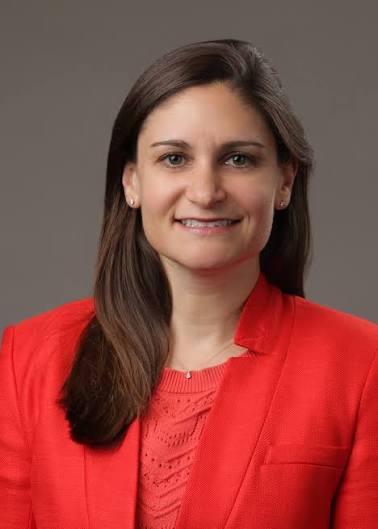
By Benson Judge| Published: July 1, 2026 | Source: Winship Cancer Institute of Emory University
ATLANTA, Georgia — Dr. Lindsey Seldin, a respected cancer researcher, assistant professor at Emory University, and scientist at the Winship Cancer Institute of Emory University, has died, according to an official announcement released by Winship.
Known for her pioneering research into inflammatory skin disease and cancer biology, Dr. Seldin earned widespread respect within the biomedical research community for advancing scientific understanding of disease mechanisms while mentoring the next generation of researchers. News of her passing has prompted tributes from colleagues across Emory University and the broader academic community, who remember her as an exceptional scientist, educator, and collaborator.
What Happened to Dr. Lindsey Seldin?
The Winship Cancer Institute of Emory University confirmed Dr. Lindsey Seldin’s passing in a public statement shared with faculty, researchers, students, and the medical community.
At the time of publication, no cause of death, age, or additional circumstances surrounding her passing have been publicly disclosed by Emory University, Winship Cancer Institute, or her family.
In accordance with responsible editorial standards, this publication is reporting only information that has been officially confirmed. This article will be updated if additional verified details become available.
Who Was Dr. Lindsey Seldin?
Dr. Lindsey Seldin was an accomplished biomedical scientist whose research focused on understanding the cellular and molecular mechanisms underlying inflammatory skin diseases and cancer.
After earning her Doctor of Philosophy (PhD) from Emory University, she joined the university’s faculty as an Assistant Professor in both the Department of Cell Biology and the Department of Dermatology.
She also served as a member of the Cell and Molecular Biology Program at the Winship Cancer Institute of Emory University, one of the nation’s leading National Cancer Institute-designated comprehensive cancer centers.
Throughout her academic career, Dr. Seldin worked at the intersection of cell biology, immunology, dermatology, and oncology, pursuing research designed to improve scientific understanding of disease and identify new therapeutic strategies for patients.
Colleagues regarded her as a scientist whose work combined intellectual rigor with a genuine commitment to improving human health.
Advancing Cancer and Inflammatory Disease Research
Dr. Seldin’s laboratory focused on uncovering the biological mechanisms that drive inflammation and cancer development.
According to Winship Cancer Institute, her research made significant contributions by identifying new mechanistic targets and therapeutic approaches for treating inflammatory skin diseases and cancer.
These discoveries have the potential to influence future research aimed at developing more targeted therapies for patients affected by complex inflammatory disorders and malignancies.
Her work reflected the growing importance of translational biomedical research—connecting discoveries made in the laboratory to advances that may ultimately improve patient care.
Within the scientific community, she was recognized for producing innovative research while fostering collaborative partnerships across multiple disciplines.
Mentor, Educator, and Colleague
In addition to her research achievements, Dr. Seldin earned admiration as an educator and mentor.
Faculty members and trainees who worked alongside her describe a scientist deeply invested in the success of students, postdoctoral fellows, and junior investigators.
Her willingness to share knowledge, encourage collaboration, and support emerging scientists became one of the defining aspects of her academic career.
For many young researchers at Emory University, Dr. Seldin’s influence extended well beyond the laboratory.
Winship Cancer Institute Pays Tribute
In announcing her passing, the Winship Cancer Institute honored both Dr. Seldin’s scientific accomplishments and the lasting impact she made on those around her.
The institute wrote:
“Her work contributed significantly to the field and defined new mechanistic targets and methods for treating inflammatory skin disease and cancer. A talented scientist and beloved colleague and mentor, she will be deeply missed.”
The tribute reflects the profound respect Dr. Seldin earned throughout Emory’s research community, where she was valued not only for her scholarship but also for her generosity, leadership, and commitment to advancing biomedical science.
Dr. Lindsey Seldin’s Legacy
Although her career was still unfolding, Dr. Lindsey Seldin leaves behind an enduring scientific legacy.
Her research expanded understanding of the molecular pathways involved in inflammatory disease and cancer, creating a foundation that future investigators can continue to build upon.
Equally important was her influence as a mentor and educator, helping cultivate the next generation of physician-scientists and biomedical researchers.
Her contributions will continue through the discoveries she helped advance, the students she guided, and the collaborations she fostered across Emory University and the Winship Cancer Institute.
For colleagues and friends, she will be remembered as a brilliant scientist whose work was matched by kindness, humility, and an unwavering dedication to improving lives through research.
Funeral and Memorial Information
As of July 1, 2026, Dr. Lindsey Seldin’s family and Emory University have not publicly announced funeral or memorial service arrangements.
This article will be updated if official information is released.
Memorial Details
Location: To be announced
Date: To be announced
Time: To be announced
Public Attendance: Pending announcement from Dr. Seldin’s family or Emory University.
Frequently Asked Questions
How did Dr. Lindsey Seldin die?
Winship Cancer Institute confirmed Dr. Lindsey Seldin’s passing. As of publication, no cause of death has been publicly disclosed.
What was Dr. Lindsey Seldin known for?
She was an assistant professor at Emory University and a researcher at the Winship Cancer Institute whose work advanced understanding of inflammatory skin disease and cancer biology.
Where did Dr. Lindsey Seldin work?
Dr. Seldin served as an Assistant Professor in Emory University’s Departments of Cell Biology and Dermatology and was a member of the Cell and Molecular Biology Program at the Winship Cancer Institute of Emory University.
What was Dr. Lindsey Seldin’s research focused on?
Her research investigated the molecular mechanisms underlying inflammatory skin diseases and cancer, identifying new therapeutic targets and approaches for future treatments.
Has a memorial service been announced?
No. At the time of publication, no funeral or memorial arrangements have been publicly released.
Editorial Standards
This obituary has been prepared using official statements issued by the Winship Cancer Institute of Emory University together with verified institutional biographical information. No unverified claims, speculation, or unofficial reports have been included. Information regarding Dr. Lindsey Seldin’s cause of death, age, and memorial arrangements has not been publicly disclosed at the time of publication and will be added if confirmed by her family or Emory University.