
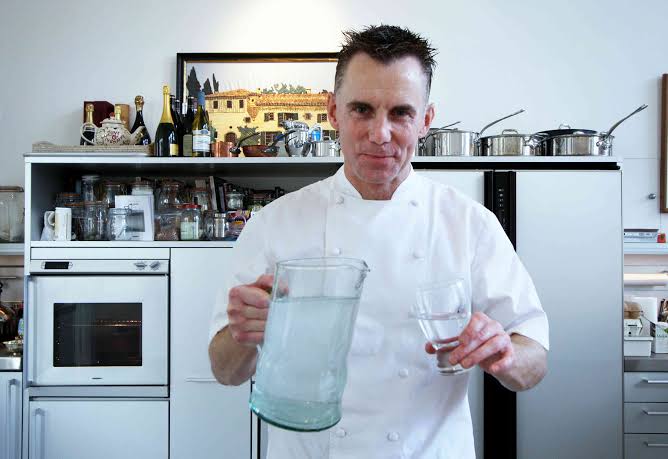
Gary Rhodes Obituary
Update: August 8, 2026 | Sources: Family Statements
DUBAI, United Arab Emirates — Gary Rhodes, the celebrated English chef, restaurateur, cookbook author, and television presenter whose work helped redefine British cuisine for a global audience, died on 26 November 2019 in Dubai at the age of 59. His death marked the loss of one of Britain’s most influential culinary figures, a chef whose commitment to traditional recipes, refined technique, and accessible cooking inspired professionals and home cooks alike.
Rhodes’ family confirmed that he died peacefully with his wife, Jennie Rhodes, by his side after collapsing at their Dubai residence following what had been described as a successful day filming a new ITV television series. In a statement released after his passing, the family said he died from a subdural haematoma—bleeding between the skull and the surface of the brain. The announcement was intended to provide clarity and respectfully address public speculation surrounding his sudden death.
A Pioneer of Modern British Cuisine
Born on 22 April 1960 in Camberwell, south London, Gary Rhodes spent much of his childhood in Gillingham, Kent, where his passion for cooking began to flourish. He later trained at Thanet Technical College, laying the foundation for a career that would help elevate Britain’s culinary reputation at home and abroad.
Rhodes rose rapidly through the professional kitchen ranks, earning his first Michelin star at just 26 years old while serving as head chef at The Castle Hotel in Taunton. He later received further acclaim for his work at The Greenhouse in London’s Mayfair, where his imaginative interpretations of classic British dishes earned widespread recognition from critics and diners alike.
Rather than abandoning traditional recipes in favor of international trends, Rhodes championed Britain’s culinary heritage, demonstrating that familiar dishes could be elevated through careful technique, exceptional ingredients, and thoughtful presentation.
Building an International Restaurant Empire
Rhodes’ success in the kitchen naturally expanded into hospitality entrepreneurship. Throughout his career, he developed several acclaimed restaurants, including City Rhodes and Rhodes in the Square in London, before taking his expertise overseas.
His international ventures included restaurants across the Caribbean and the United Arab Emirates, where Rhodes W1 and Rhodes Twenty10 became respected dining destinations. Dubai ultimately became both his professional base and his home during the later years of his career.
In recognition of his lasting contributions to British hospitality, Rhodes was appointed an Officer of the Order of the British Empire (OBE) in 2006, honoring decades of innovation and service to the culinary industry.
Television Fame Introduced British Cooking to Millions
Beyond the restaurant industry, Gary Rhodes became one of Britain’s most recognizable television chefs during the 1990s and 2000s.
His instantly recognizable spiked hairstyle became synonymous with approachable, high-quality cooking. Through programs including Rhodes Around Britain, appearances on MasterChef, Hell’s Kitchen, and numerous other culinary productions, Rhodes encouraged viewers to rediscover Britain’s traditional recipes while embracing professional techniques that were achievable in the home kitchen.
His television work helped reshape perceptions of British food during a period when the country’s cuisine was undergoing a broader renaissance. Rather than relying on novelty, Rhodes celebrated authenticity, seasonality, and craftsmanship—principles that continue to influence chefs today.
Championing British Classics
Throughout his career, Rhodes remained a passionate advocate for classic British dishes, believing that heritage recipes deserved the same respect afforded to celebrated international cuisines.
Among the dishes most closely associated with him was Welsh rarebit, the traditional cheese-on-toast preparation often enriched with mature Cheddar, mustard, milk, breadcrumbs, and seasonings. Rhodes featured refined versions of the recipe in bestselling cookbooks including Rhodes Around Britain (1994) and New British Classics (1999), demonstrating how careful execution could transform simple comfort food into restaurant-quality cuisine.
His cookbooks also celebrated enduring favorites such as bread-and-butter pudding, fishcakes, oxtail, and other regional specialties, helping preserve Britain’s culinary traditions while introducing them to new generations.
Tributes From the Culinary Community
News of Rhodes’ death prompted tributes from chefs, restaurateurs, broadcasters, and hospitality professionals across the world.
Among those paying tribute was Gordon Ramsay, who described Rhodes as a chef who “put British cuisine on the map,” reflecting the widespread respect he commanded throughout the industry.
Many colleagues remembered him not only for his technical excellence but also for his generosity as a mentor. Numerous chefs credited Rhodes with encouraging young talent, promoting British ingredients, and demonstrating that culinary excellence could coexist with warmth, humility, and accessibility.
Lasting Legacy
Gary Rhodes leaves behind a legacy that extends far beyond his restaurants and television appearances.
His influence lives on through the chefs he mentored, the restaurants that carried his name, his bestselling cookbooks, and the millions of viewers who learned to appreciate British cooking through his television programs. At a pivotal moment in Britain’s culinary history, Rhodes helped restore confidence in traditional recipes by proving they could be both sophisticated and approachable.
He is survived by his wife, Jennie Rhodes, and their two sons.
Though his life ended unexpectedly at the age of 59, Gary Rhodes’ contribution to modern British gastronomy remains enduring. His unwavering belief in quality ingredients, technical excellence, and the value of Britain’s culinary heritage continues to shape kitchens, restaurants, and home cooks around the world.