
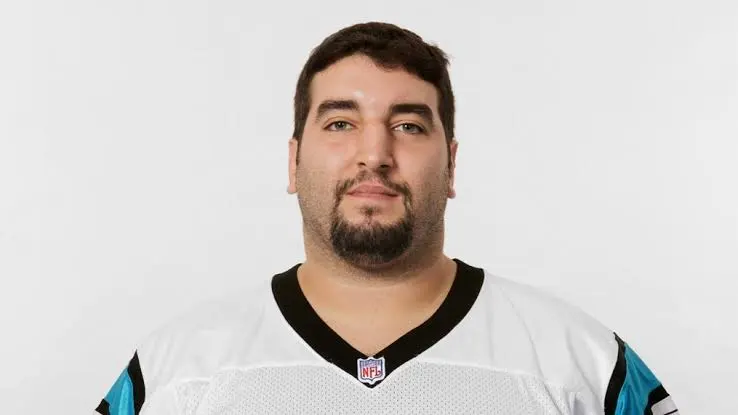
SCRANTON, Pa. — The Scranton community and the greater football world are in mourning following the death of William “Bill” Ferrario, who passed away on September 24, 2025, at the age of 47. His journey—from local high school standout to NFL lineman and later mentor—resonated deeply with fans, former teammates, and aspiring athletes alike.
From West Scranton to the Big Leagues
A native of Scranton, Ferrario first rose to prominence at West Scranton High School, where his dominance on the offensive line earned him elite status among local football circles. He went on to play collegiately for the Wisconsin Badgers, where he started all 50 games across four seasons—at the time becoming just the third player in Big Ten history to reach that mark.
In the 2001 NFL Draft, the Green Bay Packers selected him in the fourth round (105th overall). During his tenure in the league, he saw playing time in 16 NFL games. After stints with the Packers, Washington, and Carolina, he retired from the professional game in 2005.
A Life Beyond Football
After his NFL days, Ferrario remained deeply connected to the sport. He worked with youth athletes, lending his experience to summer camps and local high school programs. At times, he also ventured into real estate and medical sales, staying close to family in Wausau, Wisconsin.
However, later chapters of Ferrario’s life weren’t without difficulty. In 2023, he was arrested and charged with disorderly conduct and operating a vehicle while intoxicated—his second OWI offense. At a hearing, authorities revealed he had posted a $2,000 bond and faced additional allegations including stalking, intimidation, and bond violations. These incidents prompted concerns in the community about mental health, accountability, and support systems for former athletes.
Community Reaction & Interpreting Legacy
Across social media and local news outlets, reactions poured in. Former high school teammates remembered Ferrario as “a workhorse with heart,” while local coaches emphasized how his return home and mentorship spoke to a desire to uplift the next generation.
Sports psychologists note a pattern seen among ex-pro athletes: the transition away from structured, high-intensity careers can lead to personal turbulence unless adequate support and purpose are available. The cases of former players struggling with behavior, addiction, or identity are not isolated.
Looking ahead, many in Scranton now ask: How do we better support local stars whose careers and identities are closely tied to sport? How do we balance honoring their achievements with acknowledging their struggles?
Ferrario will be remembered not just for his physical power on the field, but for the human story behind it: ambition, community, flaws, and efforts at redemption. In death, as in life, his presence will spark conversations about football’s cost, legacy, and how we care for those who once carried a community’s hopes on their shoulders.