
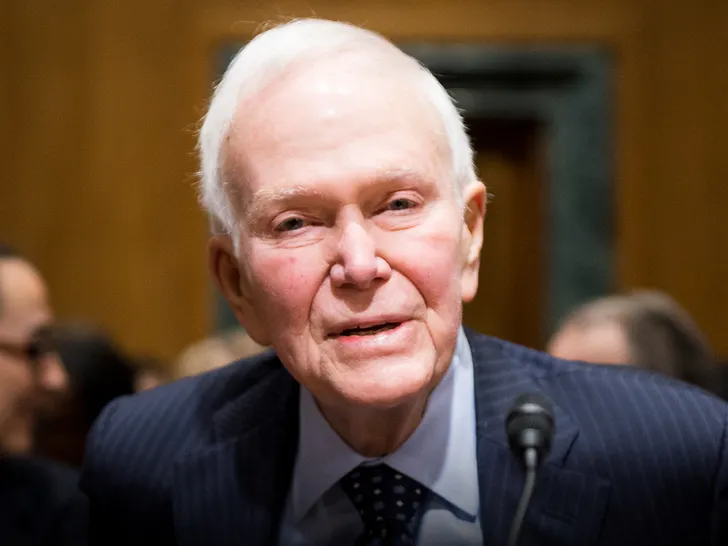
PORTLAND, Oregon — Bob Packwood, the longtime Oregon Republican senator whose influential political career was ultimately overshadowed by one of the most significant sexual misconduct scandals in modern Senate history, has died at the age of 93.
Packwood died Saturday while receiving hospice care, according to reports. A cause of death was not immediately disclosed.
For more than a quarter-century, Packwood was one of Oregon’s most prominent political figures. First elected to the United States Senate in 1968, he served from 1969 until his resignation in 1995, building a reputation as a pragmatic and often independent Republican voice during a period of major political change in Washington.
Throughout his tenure, Packwood frequently crossed party lines on key issues. He was known for supporting abortion rights, advocating for environmental protections, and playing an influential role in tax policy debates. His willingness to depart from traditional Republican positions earned him both praise and criticism, but it also helped establish him as one of the most recognizable figures in Oregon politics.
However, his legislative accomplishments became increasingly overshadowed by allegations that emerged in the early 1990s.
In 1992, several women accused Packwood of sexual harassment and unwanted advances, with some allegations dating back years. The accusations prompted a far-reaching investigation by the Senate Ethics Committee, which examined claims of misconduct as well as allegations that Packwood had altered or removed portions of personal diaries sought during the inquiry.
The investigation became one of the most closely watched ethics cases in congressional history. After years of scrutiny, the Senate Ethics Committee unanimously recommended Packwood’s expulsion in 1995, a rare action that underscored the seriousness of its findings. Facing an impending Senate vote, Packwood resigned from office in September 1995, ending a political career that had once appeared destined for a lasting place among Oregon’s most influential leaders.
His resignation marked a watershed moment in congressional accountability and remains a frequently cited case in discussions about workplace misconduct, ethics investigations, and standards of conduct for elected officials.
Following his departure from public office, Packwood largely withdrew from political life. While he occasionally commented on public affairs and national politics, he never again sought elected office and maintained a relatively low public profile in the decades that followed.
As news of his death spreads, historians and political observers are reflecting on a legacy defined by both substantial legislative influence and a dramatic downfall that reshaped public perceptions of power, accountability, and ethics in American politics.
Packwood is survived by family members whose privacy is being respected during this time of mourning.